
Germania nu mai este un stat pacifist cum era cunoscut in ultimele doua decenii pentru ca astazi acestia au prezentat noul lor tanc care trebuie sa inlocuiasca vechiul Leopard 2!
Surse din cadrul Armatei Germane mentionau un tanc Leo 3 modernizat, insa actuala conducere a Germaniei a decis sa faca un tanc complet nou care trebuie sa devina o mare problema pentru Armata Rosie in urmatorii 50 de ani.

Fabricanul Rheinmetall spune ca noul KF51 Panther este un tanc complet nou echipat cu cel mai bun blindaj din istorie insa si cu noul tun de 130 mm care trebuie sa fie standard pe toate tancurile NATO.
Motorul este tot un MTU V8 diesel, insa de aceasta data puterea maxima este de peste 2.500 CP si 6.000 de Nm, adica o putere mult mai mare decat a orcarui tanc din lume.
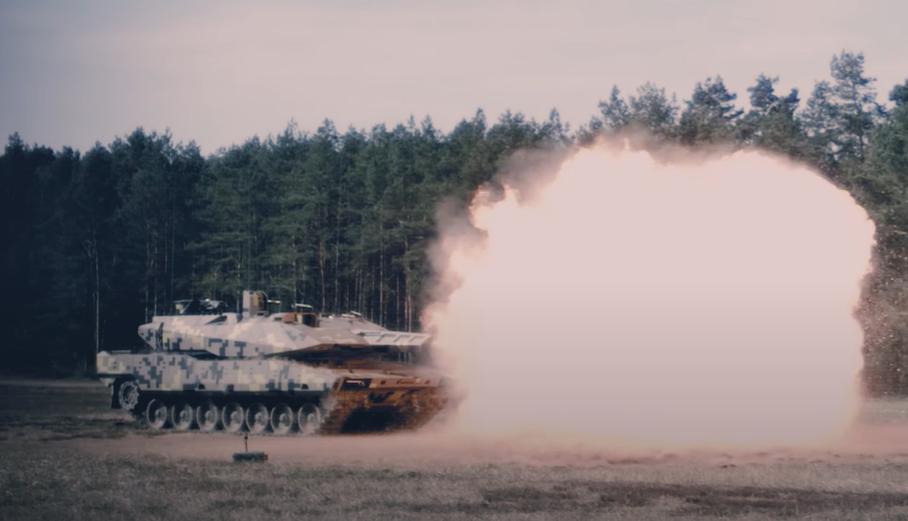
Tancul KF51 Panther urmeaza sa intre in curand in dotarea armatei germane, insa si a Romaniei care este tara NATO cu cele mai slabe tancuri din dotare ( tun mic de 100 mm si blindaj tip T55).
KF51 Panther devine astfel cel mai important tanc din istorie pentru ca trebuie sa reprezinte singurul competitor pentru sovieticul T14 Armata din care rusii au doar cateva bucati aratate la parade.
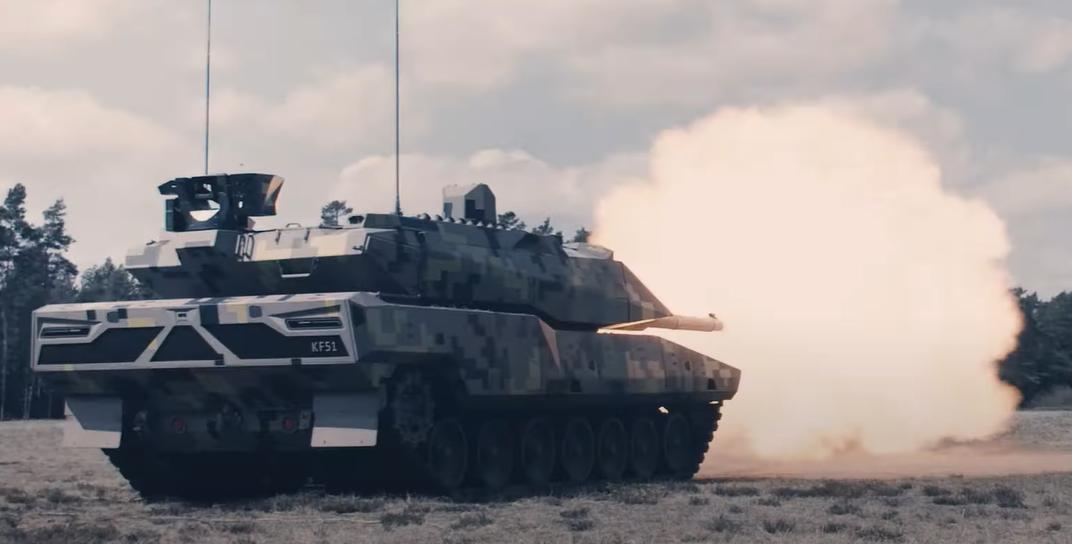
Tunul de 130 mm este atat de puternic incat nici un blindaj reactiv rusesc nu va avea sanse de protectie impotriva sa!
Noul tanc urmeaza sa fie un inlocuitor si pentru actualul tanc francez Leclerc, gama Panther fiind fabricata impreuna de germani si de francezi.
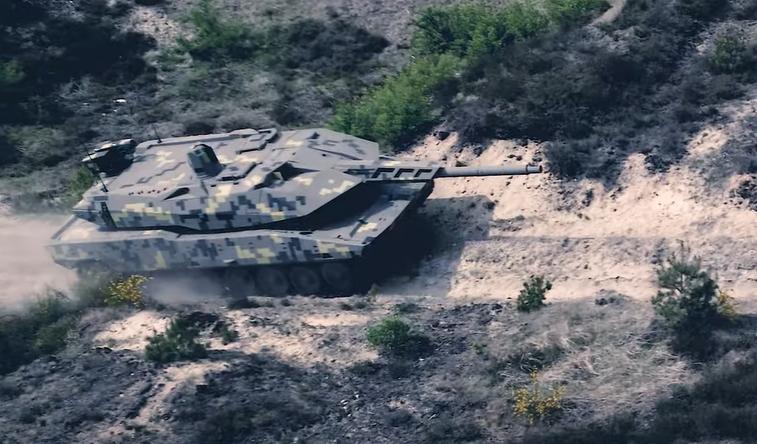

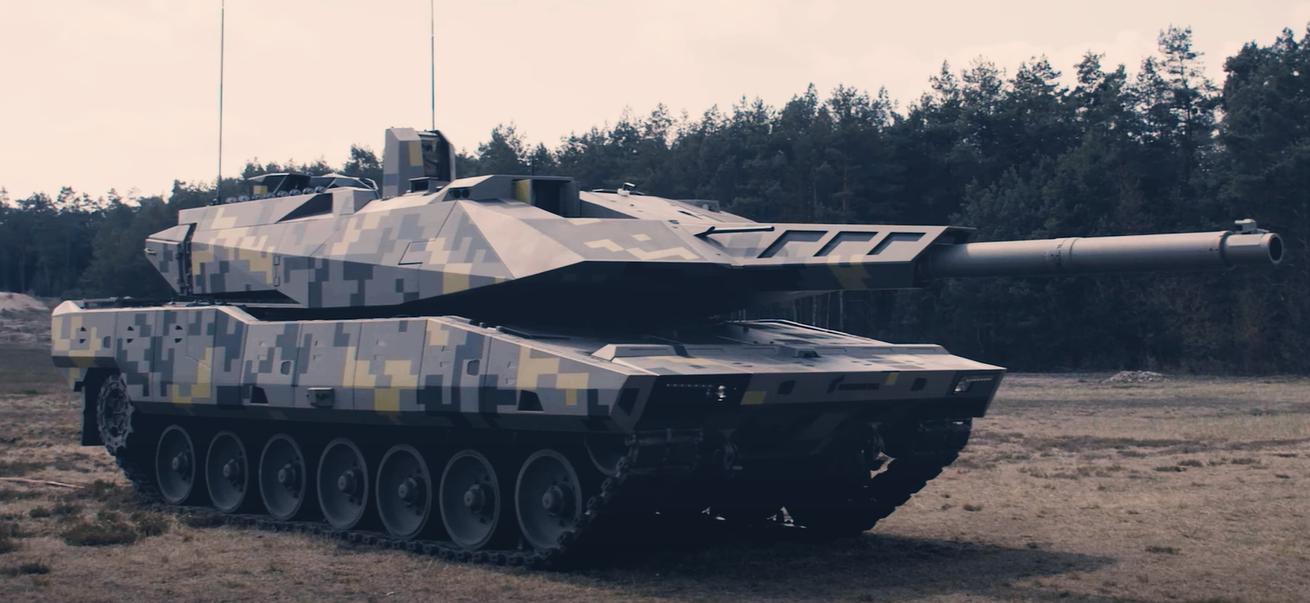

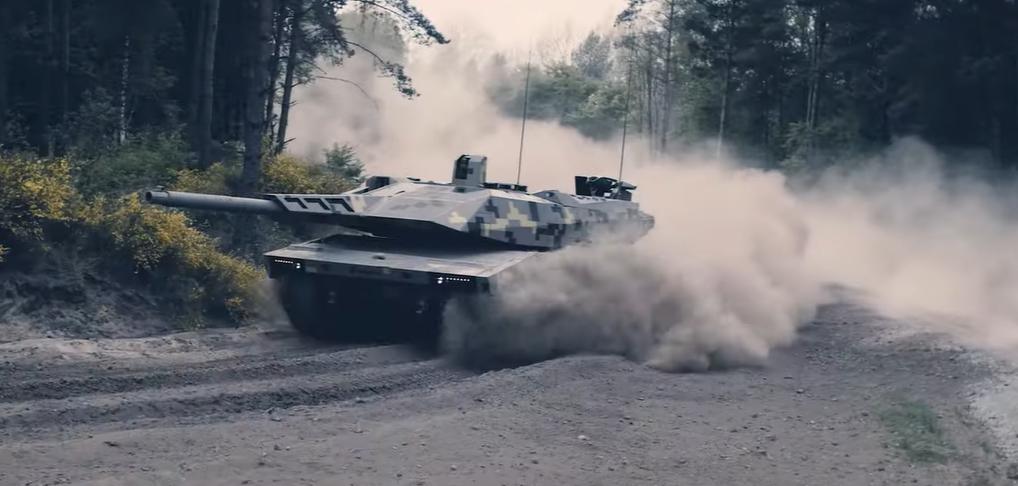






Are ditai shot trap-ul intre turela si corpul tanc-ului…we’re not learning from history, are we now?
La asta ma uitam si eu..nu le inteleg designul, clar tre sa ne indreptam spre Abrams
Modern tanks often have shot traps as a design feature intended to enhance the vehicle’s survivability in combat. Here are some key reasons why shot traps are incorporated into tank designs:
1. Deflection of Incoming Rounds: Shot traps are areas on a tank’s armor where incoming projectiles can be deflected away from critical components. These are typically designed to guide the trajectory of a shell or projectile away from vulnerable spots, such as the crew compartment or ammunition storage.
2. Armor Configuration: Tanks are designed with sloped armor to increase the chances of deflecting shots. Shot traps can enhance this effect by creating specific angles that improve the likelihood of deflection.
3. Protection Against Shaped Charges: Many modern anti-tank munitions, such as shaped charges, are designed to penetrate armor. Shot traps can disrupt the path of these projectiles, potentially causing them to detonate prematurely or at an angle that reduces their effectiveness.
4. Minimizing Damage: By directing incoming fire away from critical areas, shot traps can help minimize damage to the tank and its crew. This can be particularly important in urban warfare or close-combat situations where enemy fire can come from multiple angles.
5. Design Trade-offs: Tank designers must balance weight, protection, and mobility. Shot traps can be a way to enhance protection without significantly increasing the overall weight of the vehicle.
6. Historical Lessons: The experience gained from past conflicts has shown that certain designs can lead to vulnerabilities. Modern tanks incorporate lessons learned from previous engagements, where shot traps have proven effective in protecting against specific threats.
While shot traps can improve a tank’s survivability, they are not foolproof. Their effectiveness can vary based on the type of ammunition used by the enemy and the angles at which shots are fired.